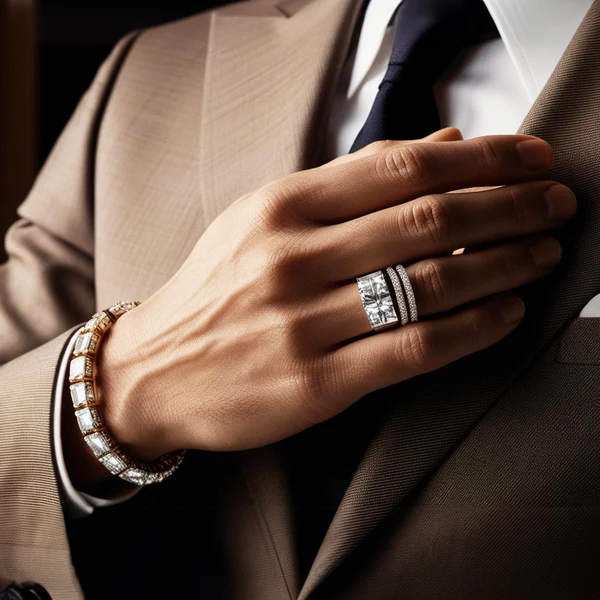


Walk into any jewellery counter, and the sheer number of options can leave you standing there longer than planned. That is the reality of shopping for designer bracelets for women right now. The category has grown well beyond a single gold chain or tennis bracelet, stretching into beaded designs, chunky links, and pieces layered with gemstones. Getting it right comes down to a handful of practical questions rather than guesswork, and that is what this guide sets out to answer.
What Are The Most Popular Designer Bracelets For Women?
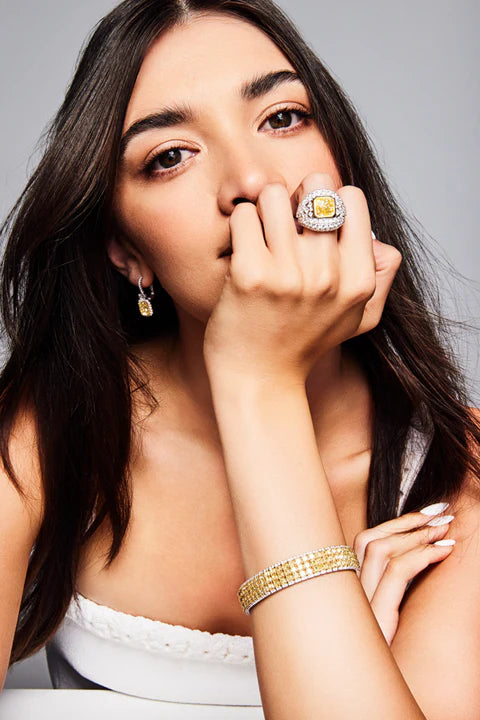
Bangles have held their ground for decades, favoured for how easily they stack and how little fuss they require day to day. Chain link bracelets have made a comeback too, particularly heavier styles that read as a genuine statement piece rather than something delicate. Tennis bracelets remain a constant, largely because a continuous line of stones tends to suit almost every wrist shape without much thought needed.
· Bangles: simple to stack, minimal upkeep required
· Chain link styles: bold, often the centrepiece of a stack
· Diamond bracelets for women: tennis style or scattered stone settings
· Charm bracelets: personal, often added to over years rather than bought once
All these categories remain evergreen, and no one category can outshine the another. Different occasions tend to call for different styles, and personal taste plays just as big a role as whatever happens to be trending.
How Do I Choose The Right Bracelet Size?
Size matters more than most shoppers expect, and getting it wrong is the single biggest reason bracelets end up sitting unused in a drawer. Wrap a soft tape measure around the wrist just below the wrist bone, add roughly half an inch for comfort, and that figure gives a reasonably accurate starting point. Bangles need a touch more room than a chain bracelet, since they need to slide over the hand rather than clasp shut.
If buying online without the chance to try something on, checking a size guide against a bracelet already owned and comfortable is usually more reliable than relying on standard small, medium, or large labelling, which varies a fair bit between brands.
Are Designer Bracelets Worth Buying?
This question really comes down to what someone actually wants out of the purchase. A well made piece from a reputable jeweller tends to hold its value far better than a mass produced alternative, and the craftsmanship usually shows in small details like clasp strength and finish quality. Luxury Women's Bracelets also tend to come with better after sales support, including resizing and repair options that cheaper pieces rarely offer.
That said, value is not only about resale price. A bracelet worn daily for years earns its cost differently to one bought purely as an investment. Anyone weighing up the decision should think about how often the piece will actually be worn rather than focusing only on the price tag.
Which Metal Is Best For Everyday Bracelets?
Durability usually wins out over looks alone when it comes to something worn every day. White gold and platinum both take knocks and scratches in their stride, though platinum costs more for that extra toughness. Gold designer bracelets in yellow or rose tones look warmer, but they do ask for more frequent replating or polishing compared to white metals.
● Platinum: Toughest option, sits at the top of the price range
● White gold: Nearly as durable, easier on the wallet
● Yellow gold: Warm classic look, wants occasional care
● Rose gold: Growing in popularity, upkeep similar to yellow gold
Sterling silver is still a decent budget pick, especially for anyone testing out a style before spending more on a pricier metal.
Also Read: Why Diamond Tennis Bracelets Never Go Out of Style in 2026?
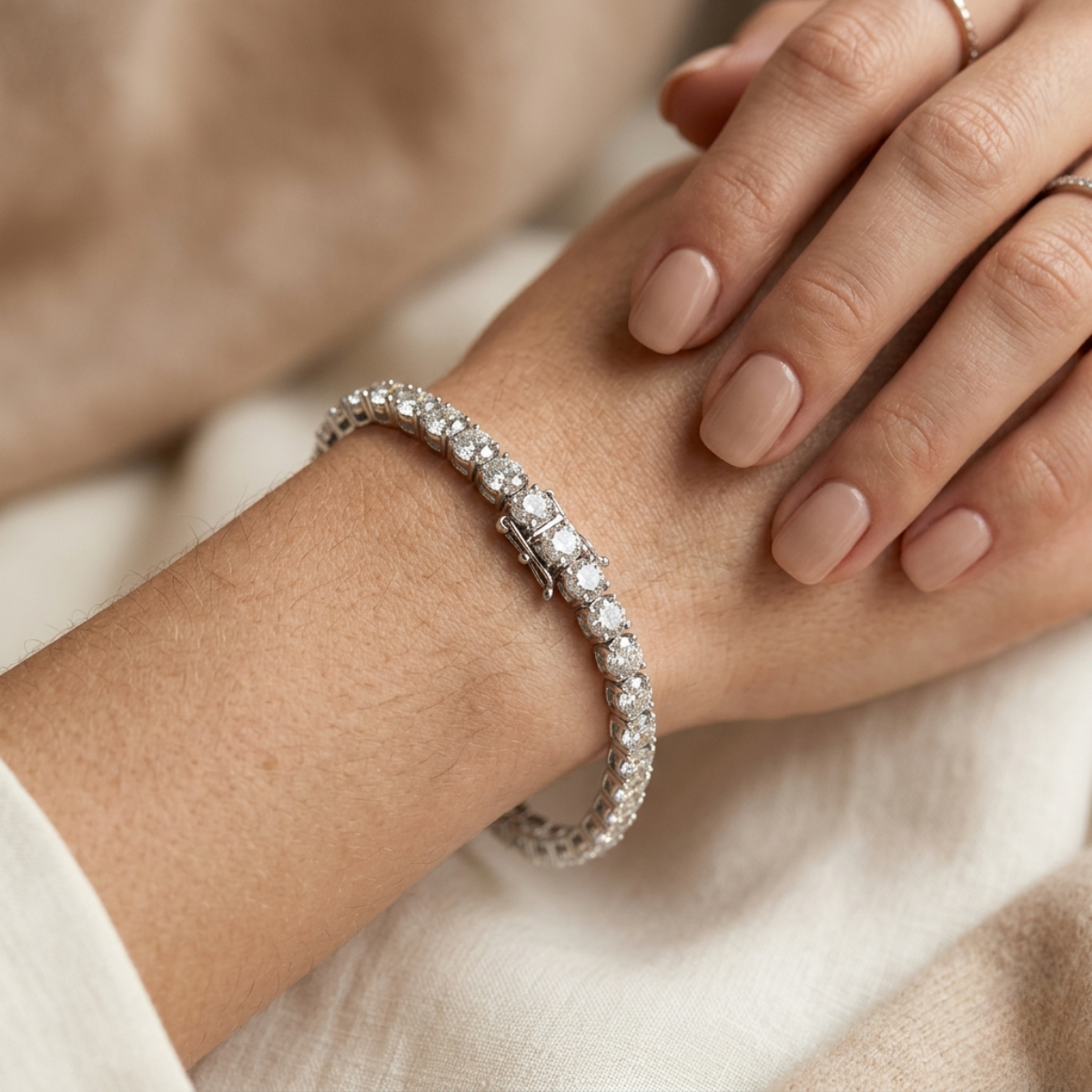
How Do I Style Designer Bracelets?
Stacking has pretty much become the norm now instead of wearing just one piece. Pairing different textures, say a smooth bangle next to a beaded one, tends to look far more deliberate than an exact match. Fine jewellery bracelets mix fine with more casual pieces too, as long as the whole stack does not start to feel crowded.
Watching current women's jewellery trends can steer styling choices in the right direction, but the safer bet is usually a stack built around personal taste rather than whatever is trending that season. A watch, one statement bangle, or a handful of slim bands can each work well depending on the outfit and the occasion.
Conclusion
Choosing well among designer bracelets for women is less about finding the single perfect piece and more about understanding size, metal, and how a bracelet fits into daily life. Getting those basics right makes the rest of the decision, style, stacking, and occasion, far easier to work out. With the right foundation, a bracelet collection can grow naturally over time rather than being built around one rushed purchase.
FAQs on Designer Bracelets For Women
1. How do I choose a designer bracelet that suits my personal style?
Consider your everyday wardrobe, preferred metals, colours, and jewellery style. Minimalist bracelets suit a classic look, while statement designs work well for bold and fashion-forward styles.
2. What type of designer bracelet is best for everyday wear?
A simple and versatile bracelet made from durable materials such as gold, platinum, or high-quality metals is ideal for everyday wear. Choose a design that complements your existing jewellery.
3. Should a designer bracelet match my other jewellery?
It doesn't have to match exactly, but coordinating the metal tone, gemstones, or overall design can create a balanced look. You can also mix metals for a more contemporary style.
4. How should I choose the right bracelet size?
Measure your wrist with a flexible measuring tape and add a small amount of extra room depending on your preferred fit. A snug fit works well for delicate bracelets, while a looser fit can suit statement styles.