

Few gemstones manage to hold onto their relevance the way sapphires do. Centuries pass, fashions shift, yet sapphire jewellery keeps showing up, in heirloom rings, in modern pendants, in pieces people choose precisely because they don't go out of style. Whether it's set into a delicate pendant or anchoring a statement ring, this gemstone carries a kind of refinement that's genuinely hard to copy. For anyone building a considered collection, figuring out what actually makes a sapphire piece worth owning is a good place to start.
What Does Sapphire Jewellery Represent?
Sapphires have carried some of the most important associations for the longest time: loyalty, wisdom, and sincerity. these associations for a long time. Royalty and clergy both wore them. Those old associations haven't faded much, which explains why sapphires still turn up in engagement rings, anniversary gifts, and pieces meant to be passed down across generations.
But symbolism only tells half the story. The real draw, for a lot of buyers, comes down to how the stone actually looks. A quality sapphire holds colour with real depth, whether that's a rich midnight blue or something softer, closer to cornflower, and the result is a stone that feels commanding without trying too hard.
Is Sapphire Jewellery Suitable for Everyday Wear?
On the Mohs hardness scale, sapphires sit at 9, beaten only by diamonds. That kind of hardness means they shrug off scratches in a way softer stones simply can't, which makes natural sapphire jewellery, especially when set in platinum or 18-carat gold, a reasonable choice for daily wear.
Critical things to consider:
● Bezel and halo settings tend to offer better protection for the stone
● Harsh chemicals, including chlorine, are best avoided altogether
● A soft-bristled brush and warm water will do for cleaning; nothing fancier is needed
● Storing the piece separately, away from harder materials, helps prevent surface wear
Take reasonable care of a sapphire piece, and there's no real reason it shouldn't still look sharp decades later.
Are Sapphires More Durable Than Emeralds?
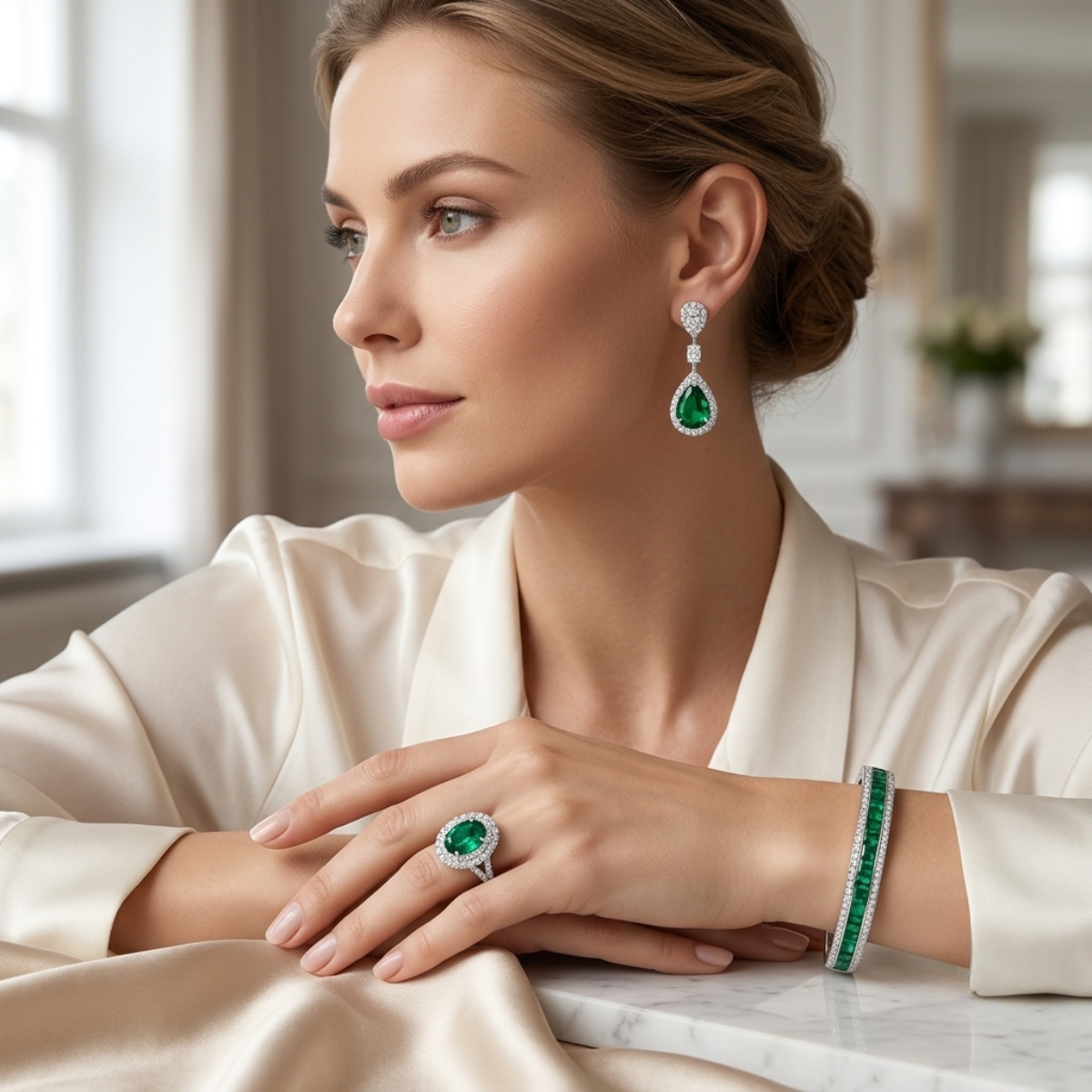
Emeralds rank somewhere between 7.5 and 8 on the Mohs scale, and they're notorious for internal inclusions, or "jardin," as the trade calls them, which leaves them more prone to chipping, particularly along faceted edges.
Sapphires don't run into that problem nearly as often. Hardness aside, they also hold up well in terms of toughness, resisting fractures and keeping their polish over time in a way emeralds rarely manage. So if long-term wearability matters as much as visual character, Sapphire Gemstone Jewellery is generally the safer bet.
A quick side-by-side:
● Hardness sits at 9 for sapphire against emerald's 7.5 to 8
● Toughness favours sapphire, which fractures less easily
● Inclusions show up more often in emeralds, particularly visible ones
● Daily handling is less fussy with sapphires than with their green counterparts
What Colour Sapphire Is Most Valuable?
Colour drives value more than almost anything else. Top of the list sits the Kashmir sapphire, prized for a velvety medium-to-deep blue carrying a faint violet undertone. Burmese sapphires, with their vivid royal blue, aren't far behind in terms of prestige.
What separates the most valuable stones from the rest:
● A vivid, saturated blue that avoids looking inky or too dark
● Little to no grey or brown creeping into the tone
● Colour that holds steady across different lighting conditions
● A hue landing somewhere in the blue to violet-blue range
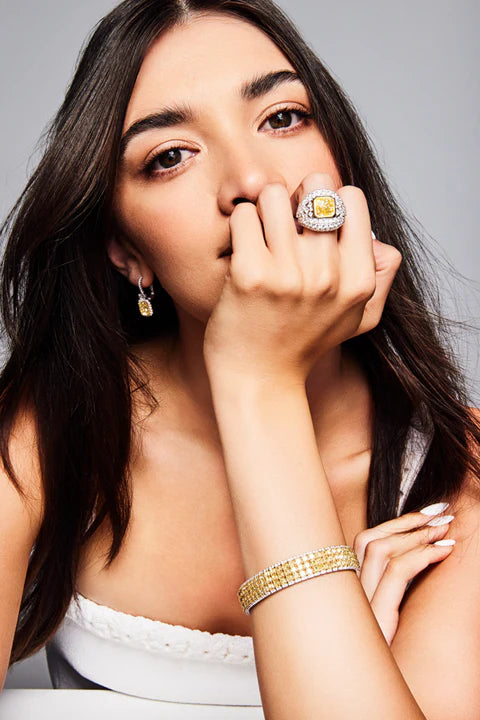
It's also worth mentioning that fancy-colored sapphires such as pink, yellow, padparadscha, and even teal have picked up serious momentum in fine jewellery circles lately. Blue still sets the benchmark, but rarity in an unusual colour can fetch just as much, sometimes more.
How Do I Choose Quality Sapphire Jewellery?
Picking a strong piece means looking closely at both the stone itself and the setting holding it.
For the stone:
● Origin matters. Stones from Kashmir, Burma, or Sri Lanka generally carry more weight than those without a clear origin
● Treatments should be disclosed upfront. Heat treatment is common and accepted, though untreated stones are rarer and command higher value
● A certification from GIA, or a similarly respected gemological lab, adds real credibility and helps with resale down the line
● Cut quality counts too; a well-proportioned cut brings out brilliance and keeps colour zoning from being too visible
For the setting, a few things are worth checking: whether the metal carries proper hallmarking, whether prongs or bezels sit evenly around the stone without gaps, and whether the piece was handcrafted rather than mass-cast, since that tends to show up in the finishing.
Anyone searching for sapphire rings in Australia should look for jewellers willing to share full details on origin, treatment, and grading without being asked twice. That kind of transparency is usually a good sign.
Conclusion
Sapphire jewellery occupies a fairly unique spot in fine jewellery: durable, symbolic, and visually striking all at once. From the depth found in a well-cut blue sapphire jewellery piece to the rarity tied to a padparadscha pendant, there's enough range here to suit collectors at nearly every level.
Pay attention to stone quality, push for treatment transparency, and don't overlook the setting craftsmanship. Get those right, and a sapphire jewellery piece tends to remain one of the more dependable choices in any jewellery collection for years to come.
FAQs on Sapphire Jewellery
1. Why is sapphire jewellery considered timeless?
Sapphire jewellery is valued for its rich colour, durability, and classic appeal. Its elegant look has made it a popular choice for generations and a staple in fine jewellery collections.
2. What colours are sapphires available in?
While blue is the most famous sapphire colour, sapphires can also be found in pink, yellow, green, purple, white, and other shades, offering a variety of styles to suit different preferences.
3. Is sapphire jewellery suitable for everyday wear?
Yes. Sapphires are among the hardest gemstones, making sapphire rings, earrings, and pendants durable enough for regular use when properly cared for.
4. How can I choose high-quality sapphire jewellery?
Look for sapphires with vibrant colour, good clarity, and excellent craftsmanship. Consider the gemstone's origin, cut, and setting to find a piece that matches your style and budget.