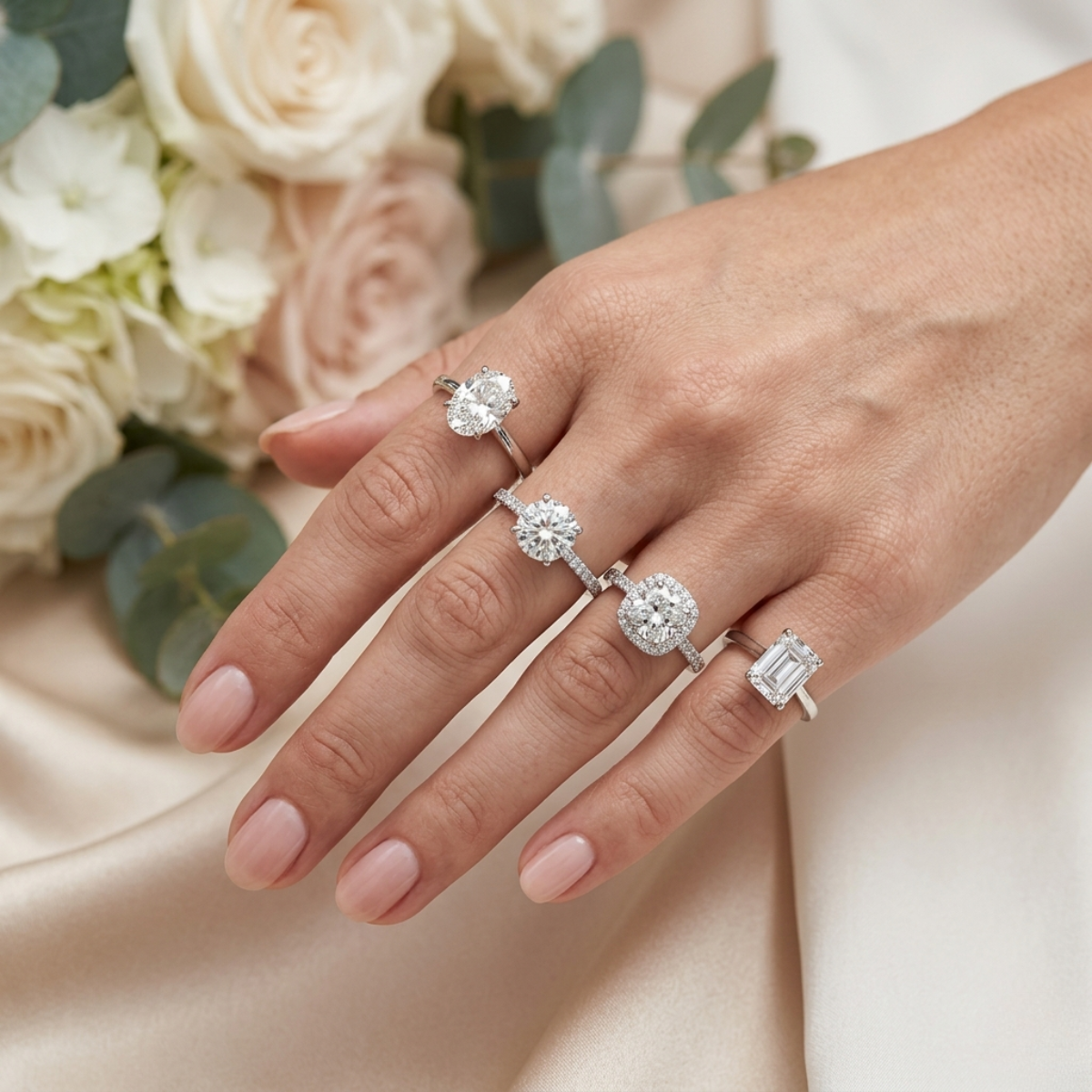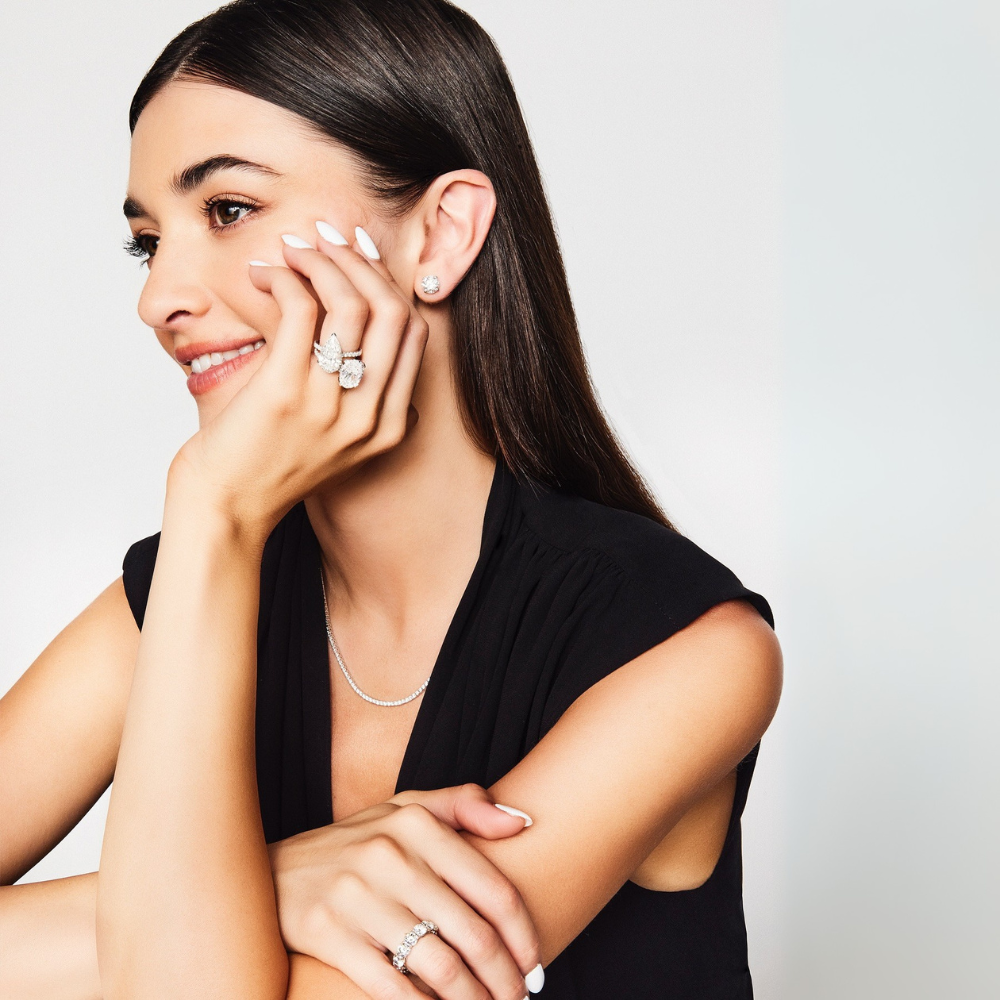
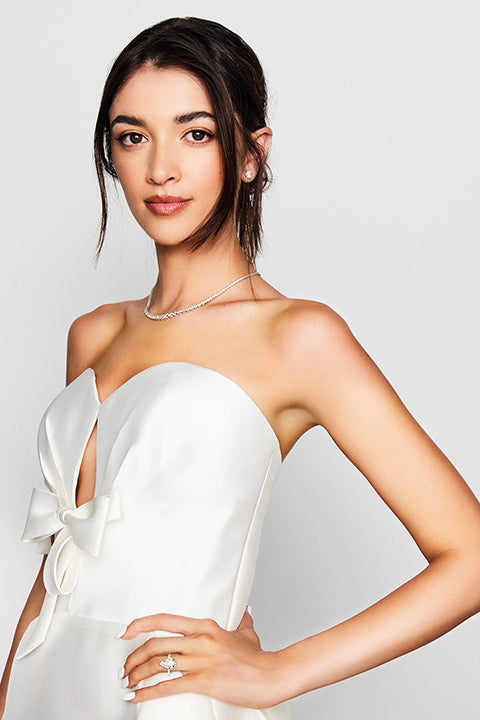

Engagement ring trends shift constantly. Some shapes, though, just refuse to fade. Walk into any jeweller's studio, and you’ll always spot more than a few pear-cut engagement rings sparkling under the lights.
Pear-cut-shaped rings have been with us for the longest period of time. Even portraits from centuries ago show similar cuts on royal hands. What's changed is the renewed interest; couples are choosing this teardrop shape again, and not by accident.
There are a lot of reasons behind this comeback. People prefer a mix of practicality, romance, and a desire to skip the obvious round of solitaire.
The Timeless Allure of Pear-Cut Engagement Rings
Something is inherently romantic about a diamond that tapers to a single point. Jewellers call it a hybrid: part round, part marquise, and that blend is exactly what gives it such versatility.
A few things make this shape stand out:
● It photographs well from almost any angle.
● Suits most hand shapes, not just slender fingers.
● Feels personal rather than predictable, unlike a standard round cut.
Brides who prefer vintage aesthetics tend to gravitate here naturally. Those who simply want a ring that is different from everyone else's also show interest in these types of rings.
Vintage Pear-Shaped Engagement Rings have features that make them stand out. Antique halos, milgrain edges, and filigree detailing: these pair surprisingly well with simple, modern bands. It’s a combination of historical cuts and history, and the touch of modern, sharp attributes.
Do pear-shaped diamonds look bigger than round diamonds?
Yes, a pear-shaped diamond looks bigger than a round diamond, which appeals to budget-conscious buyers. The elongated shape simply covers more visual surface area than a round diamond of the same carat weight.
● A longer, slimmer pear (around a 1.5–1.7 ratio) tends to look bigger than a short, stubby one.
● The elongated shape also creates a finger-lengthening illusion that most brides notice straight away.
● Light return near the point matters too; poor cutting here can make the stone look smaller than it actually is.
One thing to also notice is that, per carat, pear shapes often deliver more visual impact than round brilliants at a similar price.
Colour grade matters a touch more here than with round diamonds, since more of the stone is visible at any given angle.
● Stick to colour grades of H or higher, if the budget allows it.
● Clarity below SI1 sometimes hides better in a pear shape than people expect.
● A good jeweller will usually show side-by-side comparisons before you commit.
What setting is best for a pear-cut engagement ring?
The right setting changes everything here. Because the stone has a pointed tip on one end and a curve on the other, some settings flatter it far more than others.
Popular pear-shaped diamond ring settings include:
- Solitaire is clean, simple, and timeless. Pear cut solitaire rings let the outline do all the talking.
- Halo settings surround the centre stone with smaller diamonds, adding extra sparkle and a touch more size.
- Hidden halos give subtle brilliance from below without stealing focus from the pear shape itself.
- Three-stone settings, often with baguettes on either side, for those wanting a little more drama.
Are pear-cut diamonds more affordable?
Fewer rough diamonds go to waste during cutting, which usually brings the per-carat price down versus round brilliants of similar quality.
● Watch for the "bow-tie effect"; a faint dark shadow across the stone's centre.
● Symmetry and polish matter more than carat weight alone.
● A poorly cut pear, regardless of size, can look smaller and duller than it should.
Do not chase carat weight blindly. Cut quality decides how big and how brilliant the stone is actually supposed to look.
Apart from that, certification also matters a lot. GIA reports tend to carry more weight than IGI ones for resale, though both are widely accepted across Australian jewellers.
Which wedding band pairs well with a pear-shaped ring?
Pairing a band with a teardrop engagement ring takes a bit more thought than matching a round solitaire, because of the asymmetry
● Curved or contoured bands follow the pear's slope without leaving a gap.
● A plain, straight band suits those who want something classic and understated.
● Tapering the band slightly near the point helps both rings sit flush together.
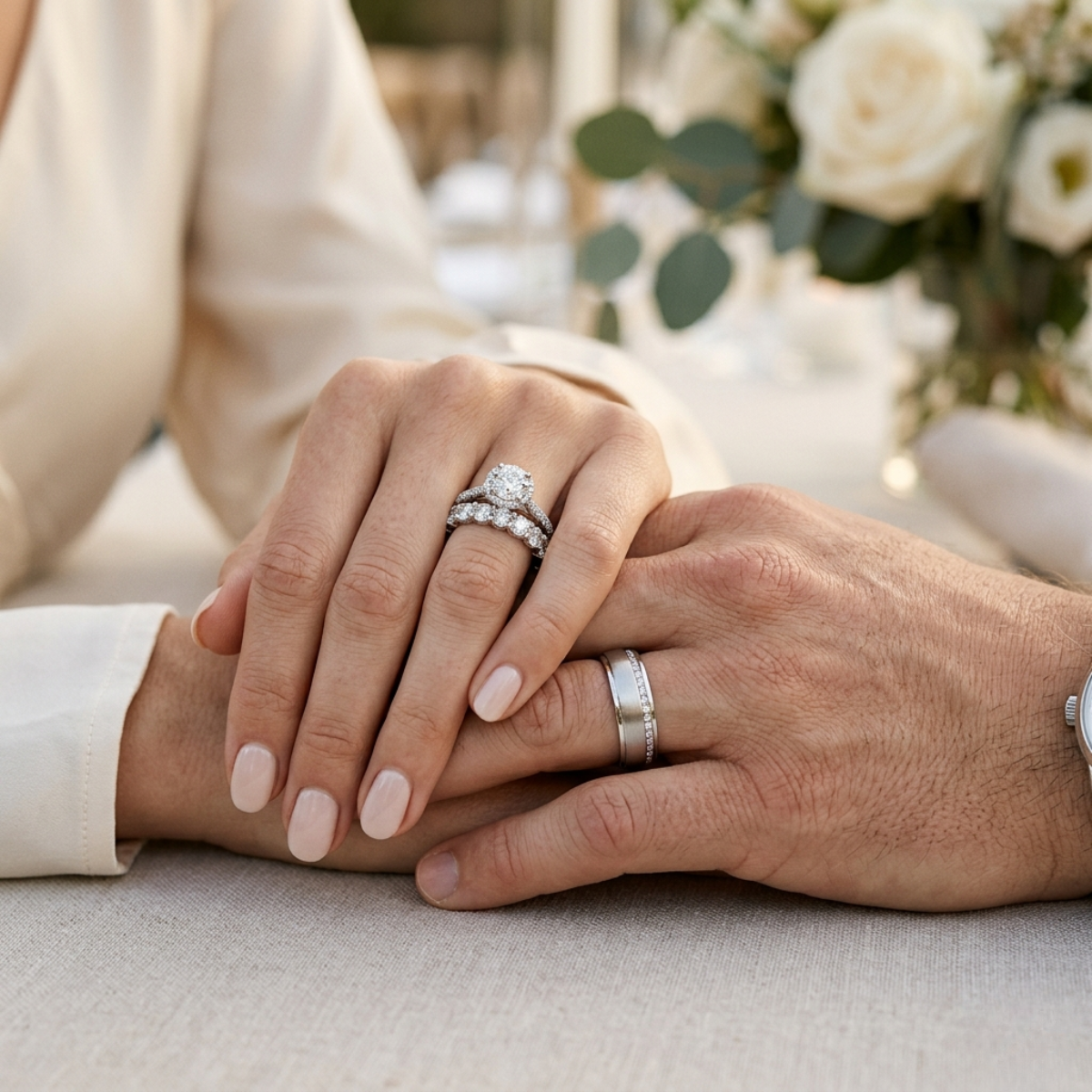
Photos do not always show how wedding bands and rings look side by side. Try both rings on together before choosing to buy anything.
A Quick Checklist Before You Buy
● Confirm the length-to-width ratio matches your preference.
● Check for a V-prong or double prong at the tip.
● Ask to view the stone under different lighting for the bow-tie effect.
● Compare GIA versus IGI certification if resale value matters to you.
● Try the ring on with your chosen wedding band before finalising anything.
Also Read: How to Choose the Perfect Diamond Wedding Bands for Every Style in 2026?
Conclusion
Jewellery trends rarely stay still for long. Yet pear-cut engagement rings have held their ground, and that's not a coincidence.
Flattering on most hands, adaptable across settings, and distinctive without trying too hard, that's the appeal in a nutshell. It’s worth taking a proper look at all types of rings and choosing the one that describes you most as a person.
FAQs on Pear Cut Engagement Rings
1. Why are pear-cut engagement rings so popular in 2026?
Pear-cut engagement rings remain popular in 2026 because of their elegant teardrop shape, brilliant sparkle, and unique combination of classic and modern style. They also create the illusion of longer, slimmer fingers.
2. Are pear-cut engagement rings more affordable than round diamonds?
Yes, pear-cut diamonds can often be more affordable than round brilliant diamonds of similar carat weight, allowing buyers to maximize size and value without compromising on beauty.
3. What settings work best for pear-cut engagement rings?
Popular settings for pear-cut engagement rings include solitaire, halo, three-stone, and pave settings. A protective V-prong setting is commonly recommended to safeguard the pointed tip of the diamond.
4. Is a pear-cut engagement ring a good choice for everyday wear?
Absolutely. With the right setting and proper care, pear-cut engagement rings are durable enough for daily wear while offering a distinctive and timeless appearance.